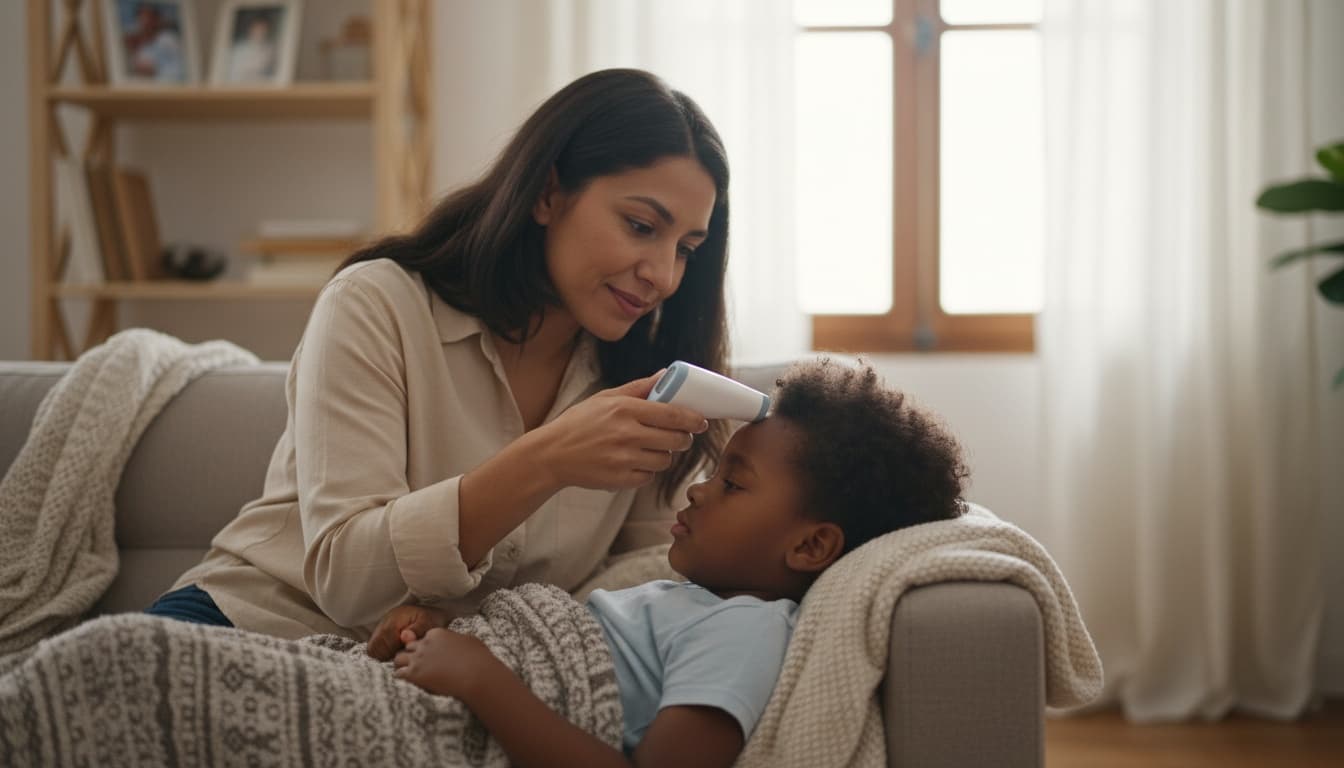
Your child has a fever and you're not sure if it's serious? Complete guide for parents: when to call the doctor, how to react, and warning signs to watch for.
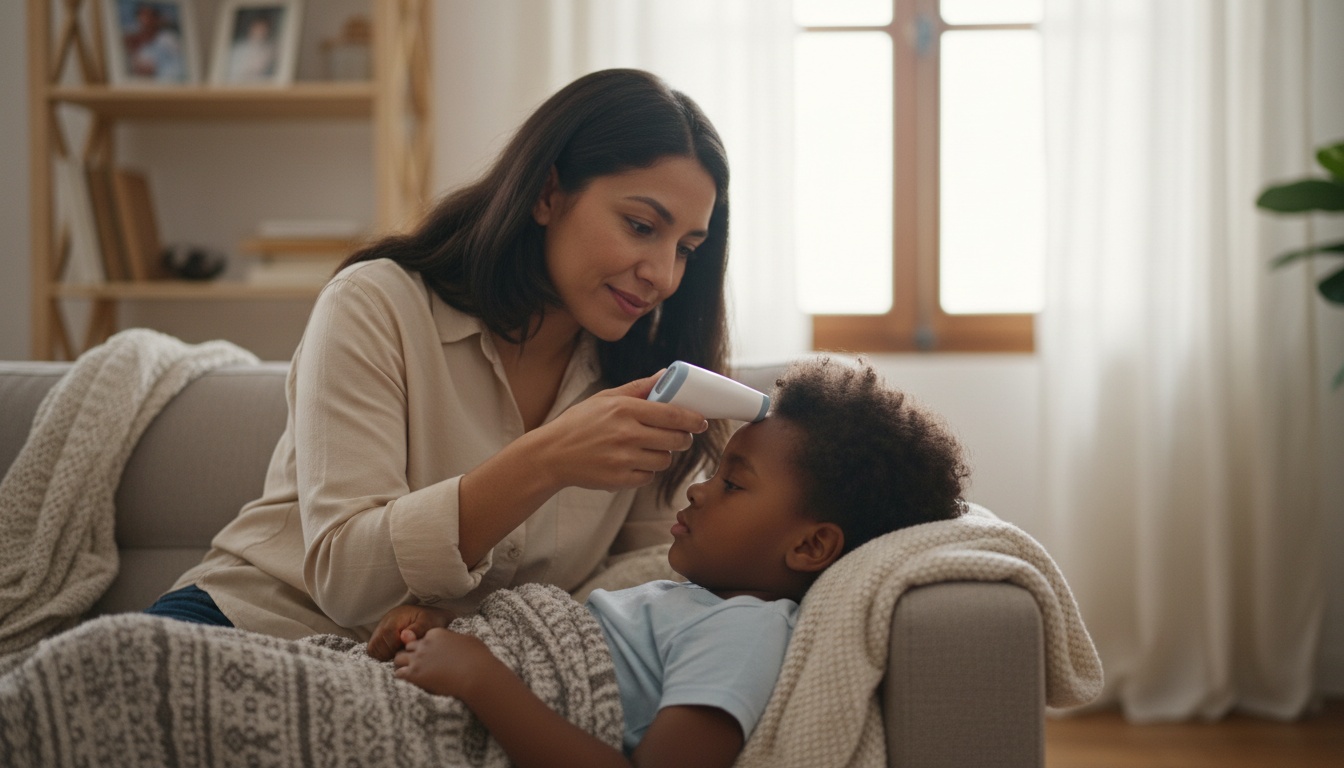
A fever in your child is one of the most stressful situations for parents. Is it serious? Should you go to the ER? This guide helps you understand what to do.
Emergency - Call 911 immediately
Call 911 or go to the ER immediately if your baby is under 3 months old with a fever, or if your child at any age has difficulty breathing, seizures, or a rash that doesn't fade when pressed.
What is a Fever?
Medical Definition
A fever is defined as a body temperature above:
- 100.4°F (38°C) rectal or ear
- 99.5°F (37.5°C) armpit
Fever is not a disease but the body's defense reaction against infection.
Temperature Thresholds
Important: The height of the fever doesn't always reflect how sick your child is. A child with 102°F might have a simple ear infection, while a child with 100°F could have a more serious condition.
When to Worry: Warning Signs
By Age
| Age | When to Seek Care |
|---|---|
| Under 3 months | Any fever > 100.4°F = Emergency |
| 3-6 months | Fever > 102°F or lasting > 24 hours |
| 6 months - 2 years | Fever > 102°F > 48h or with other symptoms |
| Over 2 years | Fever > 3 days or warning signs |
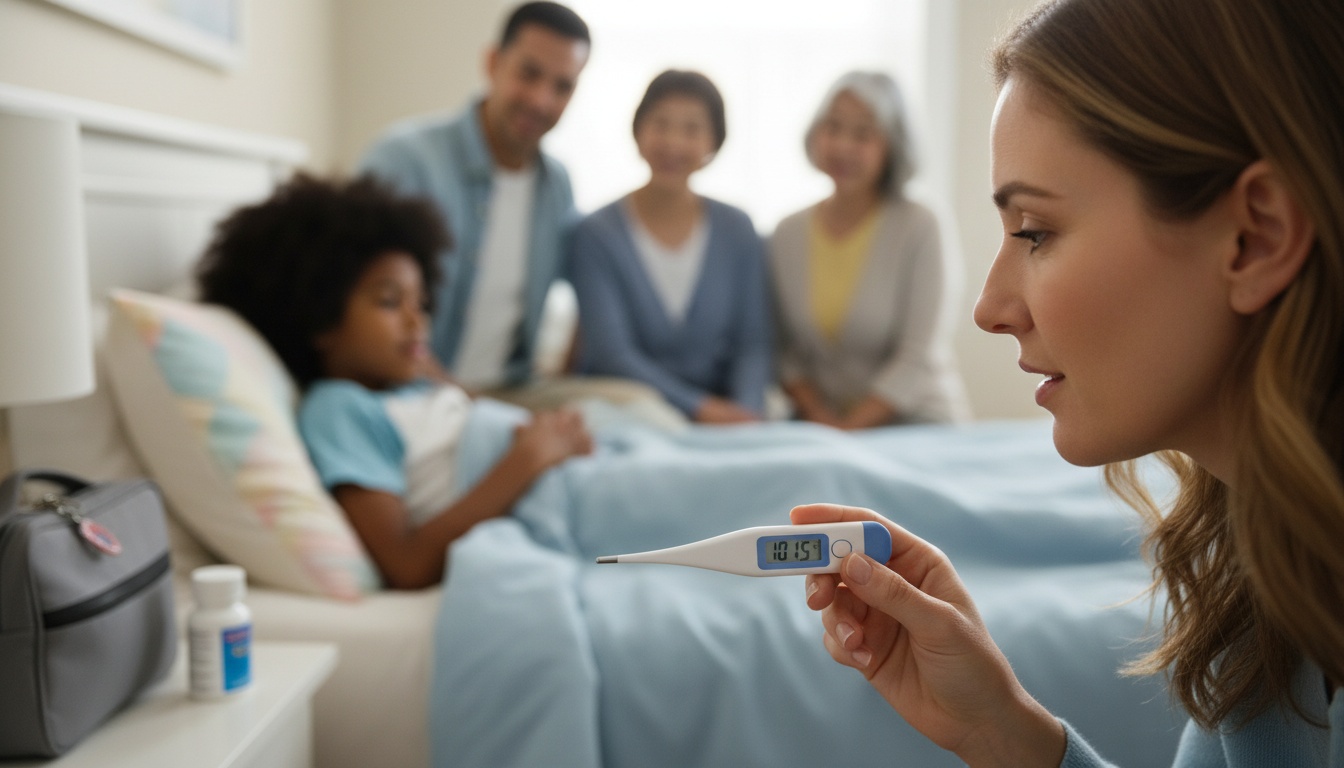
Red Flags at Any Age
Seek immediate care if your child has
- Breathing problems: rapid, wheezing, chest pulling in
- Purple spots (petechiae) that don't fade when pressed
- Seizures or unusual movements
- Excessive sleepiness: hard to wake up
- Refusing to drink for several hours
- Inconsolable crying or whimpering
- Bulging soft spot (in infants)
- Stiff neck
Reassuring Signs
Good signs if your child...
- Still plays at times
- Drinks adequately
- Has normal urine output
- Responds to you
- Has bright but reactive eyes
- Smiles when fever goes down
How to Take Temperature Correctly
Choose the right thermometer
- Rectal: most accurate (medical standard)
- Ear: quick but less accurate under 2 years
- Forehead: convenient but less reliable
When to measure
- Not right after bath or meal
- Child calm for 5-10 minutes
- Multiple times daily if concerned
Track the pattern
- Time and temperature
- Medications given and dosage
- Child's overall condition

What to Do When Your Child Has a Fever
Basic Care
Essential steps
- Dress lightly (don't over-bundle)
- Keep hydrated: water, broth, milk, popsicles
- Keep room cool: 65-70°F is ideal
- Monitor: temperature, behavior, hydration
Medications
| Medication | Dosage | Frequency |
|---|---|---|
| Acetaminophen (Tylenol) | 10-15 mg/kg/dose | Every 4-6 hours max |
| Ibuprofen (Motrin) >6 months | 10 mg/kg/dose | Every 6-8 hours max |
Never
- Alternate Tylenol and Motrin without doctor's advice
- Give aspirin (risk of Reye's syndrome)
- Exceed recommended doses
- Wake a sleeping child just for medicine
What NOT to Do
Cold baths, ice packs, and alcohol rubs are no longer recommended. They can cause shivering, which actually raises body temperature.
Common Causes of Fever in Children
| Cause | Associated Signs |
|---|---|
| Viral infection (cold, stomach bug) | Runny nose, cough, diarrhea, lasts 3-5 days |
| Ear infection | Child touching ear, crying, fussiness |
| Strep throat | Sore throat, difficulty swallowing |
| Urinary tract infection | Painful urination, smelly urine |
| Teething | Low fever (<101°F), red cheek, drooling |

Febrile Seizures
Good to know
Febrile seizures affect 2-5% of children between 6 months and 5 years. While scary to watch, they are generally harmless and don't cause lasting damage.
If your child has a seizure:
- Stay calm
- Lay them on their side
- Don't put anything in their mouth
- Note the duration
- Call 911 if it's the first time or lasts > 5 minutes
When and Who to Call
Your pediatrician
- Fever > 3 days
- Recurring fever
- Questions about overall condition
Urgent care / ER
- Fever + warning signs
- Nights/weekends with concern
- Infant < 3 months
911
- Seizures
- Purple rash (petechiae)
- Breathing distress
- Unconscious child
Conclusion
Fever is a natural defense mechanism and, in the vast majority of cases, it's harmless. What really matters is your child's overall condition, not the number on the thermometer.
"Trust your parental instincts. If something seems off with your child, even without a high fever, call your doctor. You know your child better than anyone.
"
When in doubt, never hesitate to call your doctor or 911. It's always better to make a "just in case" call than to wait and risk your child's health.
Prêt à organiser vos données médicales ?
Genki vous aide à centraliser et comprendre tous vos documents de santé, sans cloud, directement sur votre appareil.
Essayer Genki gratuitement