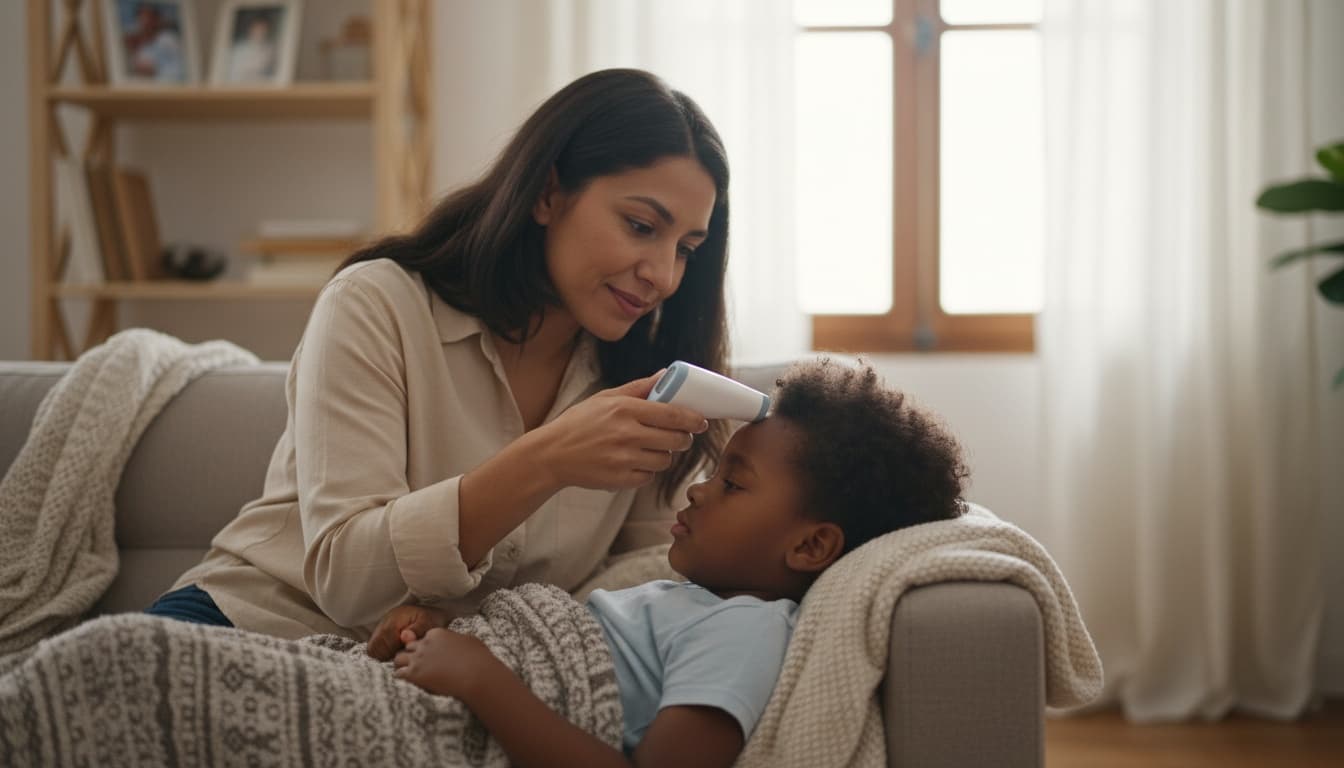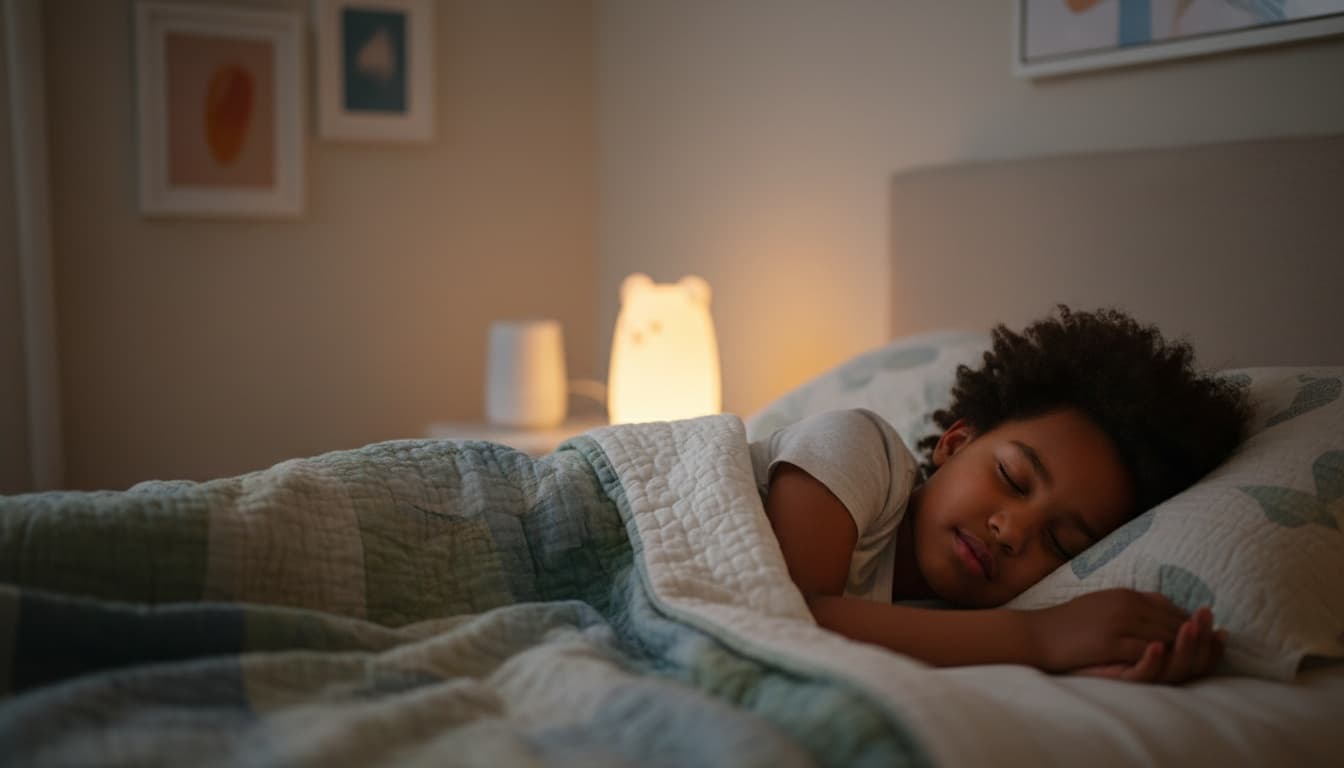
Your child has trouble sleeping? Nightmares, night terrors, frequent waking... Understanding and solving your child's sleep problems.
"She won't go to sleep," "He wakes up every night," "She has nightmares"... Sleep problems in children are a major source of family stress. This guide helps you understand and take action.
Sleep: A Pillar of Development
Sleep is essential for your child's growth, memory, learning, and emotional balance. Sleep problems impact the whole family.
Sleep Needs by Age
These durations include naps. Needs vary from child to child: some are natural "short sleepers."
The Most Common Sleep Problems
1. Difficulty Falling Asleep
Common Causes
- Lack of routine: Irregular schedules
- Overstimulation: Screens, active play before bed
- Separation anxiety: Fear of leaving parents
- Environment: Light, noise, temperature
- Nap too late or too long
2. Night Waking
| Age | Normal Wakings |
|---|---|
| 0-6 months | 2-3 wakings for feeding (normal) |
| 6-12 months | 1-2 possible wakings |
| 1-3 years | Brief wakings but should self-soothe |
| 3+ years | Full nights expected |
3. Nightmares
Nightmare Characteristics
- Occur in second half of night (REM sleep)
- Child remembers the dream
- Child is awake and aware
- Can tell what scared them
- Common between ages 3-6
What to do:
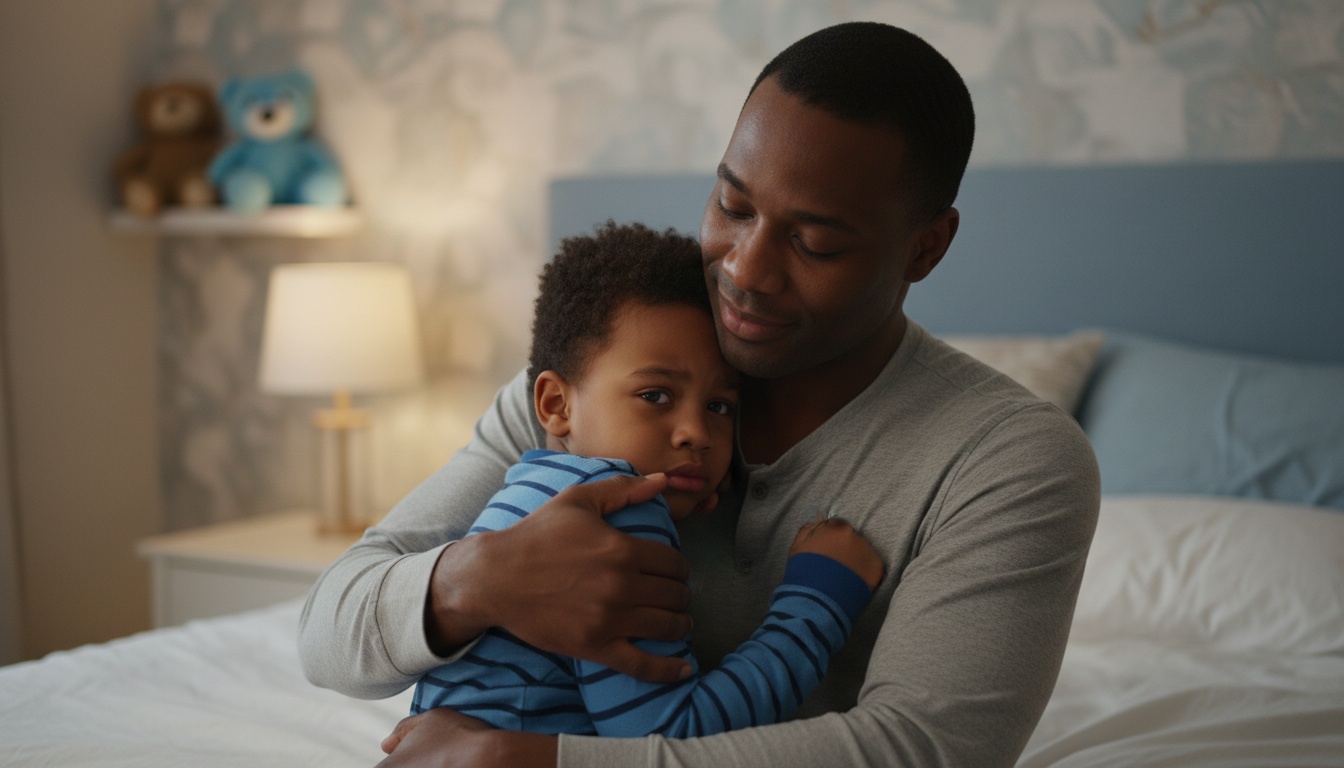
- Reassure the child, stay calm
- Listen to them tell the nightmare
- Don't minimize their fear
- Leave a nightlight if needed
- Avoid scary screens and stories
4. Night Terrors
Different from Nightmares!
Night terrors occur in early night (deep sleep). The child seems terrified but isn't awake. They won't remember anything the next day.
Characteristics:
- Screaming, intense crying
- Eyes open but vacant look
- Agitation, sweating
- Doesn't recognize parents
- Duration: 5-20 minutes
What to do:
- Don't wake the child
- Secure the environment
- Stay near without intervening
- Wait for it to pass
- Don't mention it the next day
5. Sleepwalking
Sleepwalking in Children
- Affects 15% of children ages 4-12
- Occurs early in the night
- Child walks, talks, can do simple actions
- No memory the next day
- Usually benign, disappears in adolescence
Safety measures:
- Secure stairs, windows
- Avoid bunk beds
- Don't wake the child
- Gently guide them back to bed
When to See a Doctor
See a Doctor If
- Significant snoring with breathing pauses (apnea)
- Persistent problems despite good sleep hygiene
- Impact on behavior or learning
- Excessive daytime sleepiness
- Abnormal leg movements
- Very frequent night terrors
The Ideal Bedtime Routine
1 hour before: Calm down
Screen off, quiet play, dim lights
30 minutes before: The routine
Warm bath, pajamas, brush teeth
15 minutes before: Cuddle time
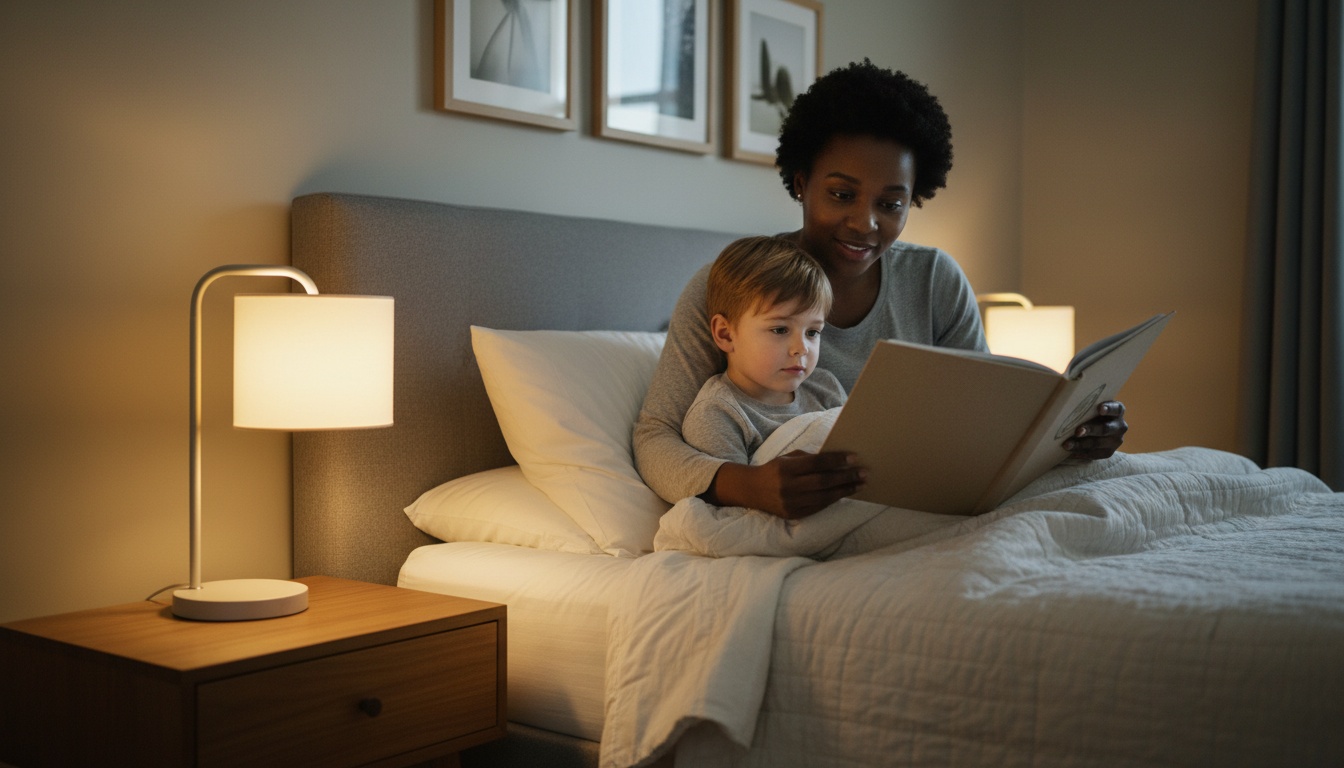
Story, song, discussing the day
Lights out: The signal
Kiss, comfort object, nightlight, ritual phrases ("Goodnight, see you tomorrow")
Mistakes to Avoid
What Makes Problems Worse
- Screens within an hour of bedtime
- Irregular schedules (even on weekends)
- Falling asleep with parents then being moved
- Rewards for "sleeping well" (creates anxiety)
- Threats related to bedtime
- Nap too late (after 3pm for 3+ years)
The Ideal Environment
| Factor | Recommendation |
|---|---|
| Temperature | 65-68°F (18-20°C) |
| Light | Darkness or dim nightlight |
| Noise | Quiet or light white noise |
| Bed | Comfortable, age-appropriate |
| Screens | None in the bedroom |

Natural Helpers
Gentle Solutions
- Herbal teas: Chamomile, linden (after 1 year)
- Massage: Relaxing before bed
- Soft music or audio stories
- Lavender diffusion (with caution)
- Light therapy in the morning if difficult waking
Caution
Sleep medications are never recommended for children except by specialist medical advice. Melatonin should only be used with prescription.
Conclusion
Sleep problems are common in children and most disappear with age. The key is establishing a stable routine and being patient.
"A child who sleeps poorly needs security and regularity, not punishment. Your calm and consistency are the best remedies.
"
If problems persist despite good sleep hygiene, don't hesitate to consult your pediatrician who can refer you to a specialist if needed.
Prêt à organiser vos données médicales ?
Genki vous aide à centraliser et comprendre tous vos documents de santé, sans cloud, directement sur votre appareil.
Essayer Genki gratuitement