Is My Child Gifted? Understanding High Intellectual Potential

Precocious, gifted, twice-exceptional... Your child seems different? Discover the real signs of high intellectual potential, beyond clichés, and how to support them.

"He Asks Too Many Questions," "She's Too Sensitive"
Your child exhausts everyone with endless "whys." He cries over "little things." She's bored at school despite average grades. He taught himself to read at 4. She refuses homework because "it's too easy."
These behaviors catch your attention. Could your child be gifted?
Giftedness: What Are We Talking About?
High Intellectual Potential concerns about 2.3% of the population (IQ ≥ 130). It's also called "gifted," "precocious," or "twice-exceptional." It's not a disease, but a different neurological functioning.
Beyond Clichés: What Is a Gifted Child?
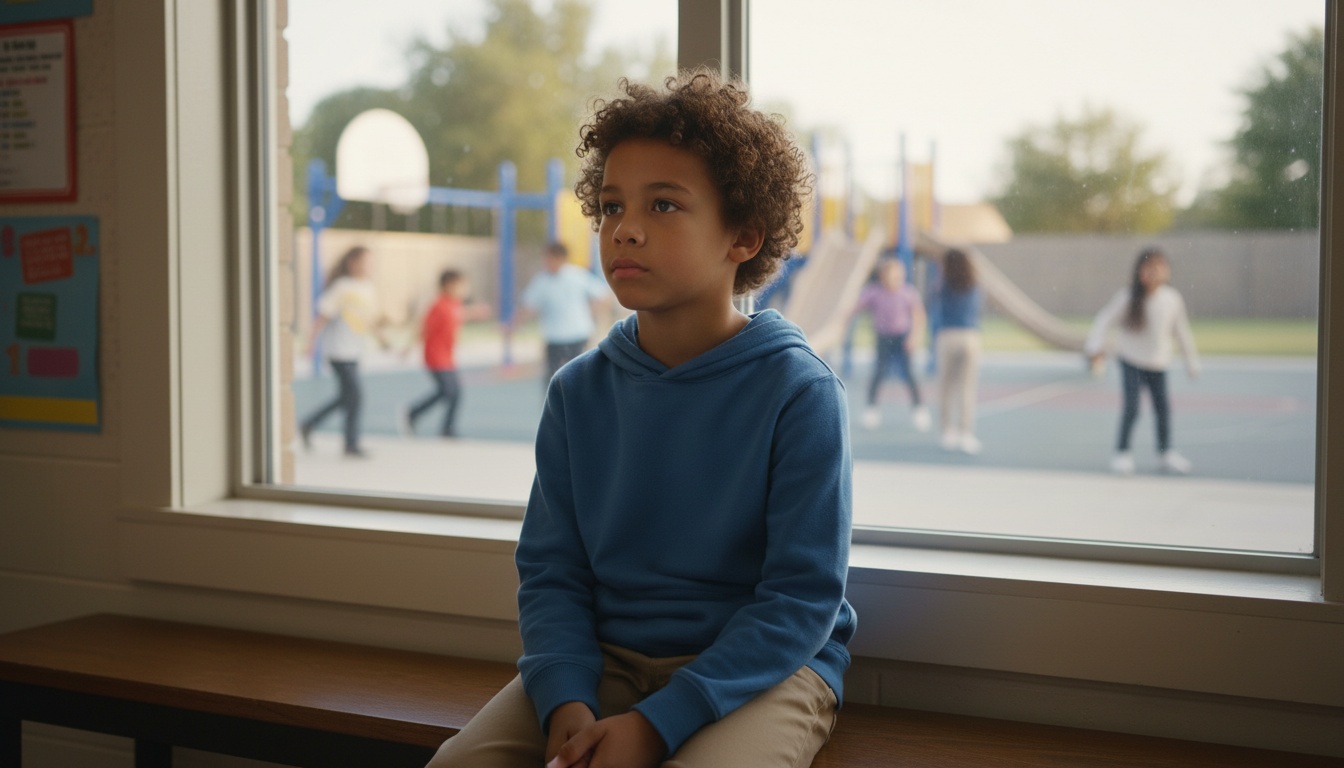
Forget the image of the little genius solving equations on a blackboard. Reality is much more nuanced.
What Giftedness IS NOT
- A child necessarily brilliant at school
- A "little adult" who's wise and reasonable
- A prodigy in all areas
- A guarantee of future success
- An excuse for difficult behavior
What Giftedness IS
- A different brain functioning (tree-like thinking)
- Rapid processing of information
- Often emotional and sensory hypersensitivity
- An intense need for meaning and coherence
- Insatiable curiosity about various subjects
Giftedness isn't "better" or "worse." It's different. And this difference can be a strength as much as a source of difficulty.
The Real Signs to Observe
Intellectually
Emotionally

- Hypersensitivity: Intense emotional reactions, heightened empathy
- Sense of justice: Intolerance of injustice, even minor
- Anxiety: Anticipation, early existential fears
- Perfectionism: Frustration when results don't match the idea
Socially
- Often prefers adults or older children
- May seem "out of sync" with peers
- Particular humor, often misunderstood
- Need for authentic, deep relationships
Beware of Generalizations
Every gifted child is unique. Some are extroverted, others introverted. Some excel at school, others struggle. The "typical" profile doesn't exist.
The School Paradox
Contrary to popular belief, many gifted children have difficulties at school:
| Situation | Explanation |
|---|---|
| Average or poor grades | Bored, doesn't see the point, hasn't learned to work |
| Behavior problems | Restlessness from boredom, intellectual provocation |
| Writing difficulties | Thought faster than hand, frustration |
| Refusal to show work | "It's obvious," doesn't understand the need to explain |
| Social isolation | Gap with others' interests |
One third of gifted children are reportedly struggling academically. High potential doesn't protect against failure – it can even contribute if the child isn't supported.
Should You Have Your Child Tested?
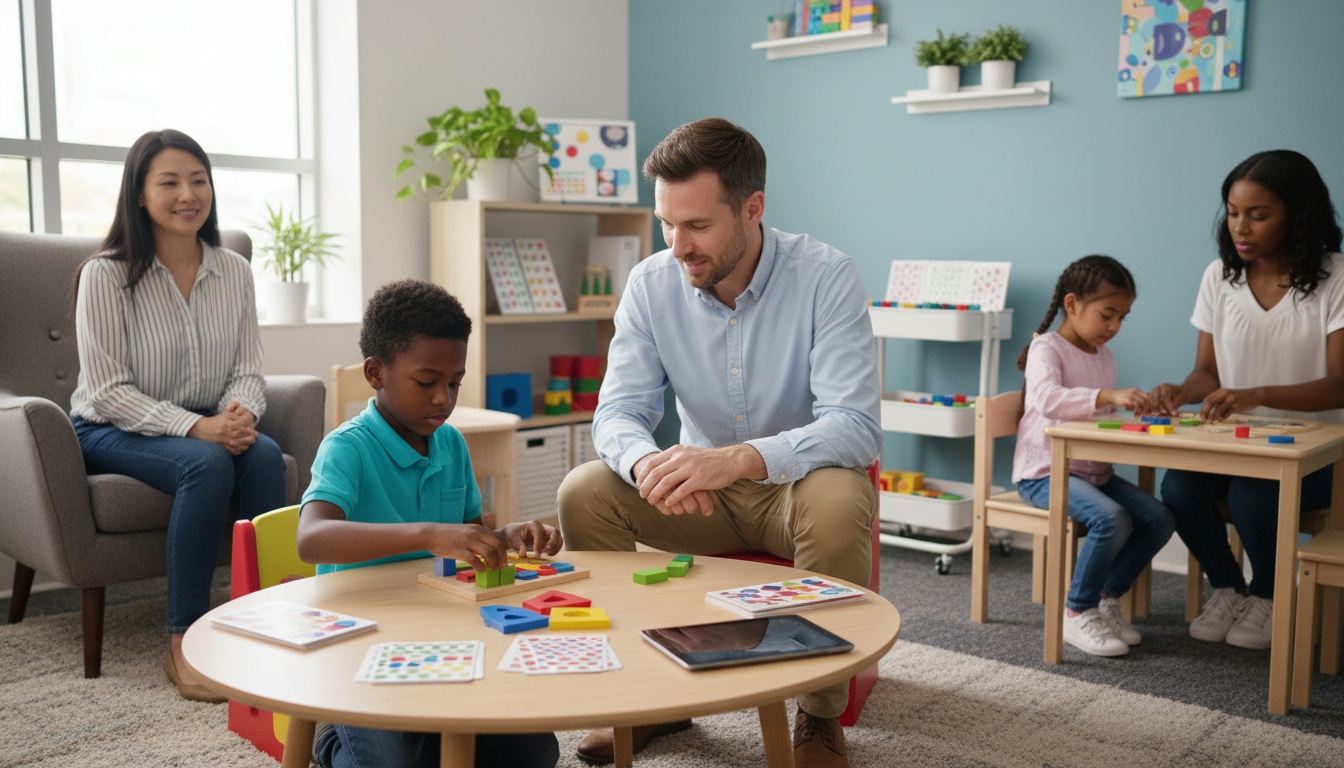
The IQ test (WISC for children) isn't mandatory, but can be useful if:
Your child is suffering
Distress, anxiety, feeling different, loss of motivation.
School is problematic
Unexplained failure, deep boredom, difficult behavior, bullying.
You need to understand
Putting words on different functioning can relieve the whole family.
Accommodations are needed
Diagnosis facilitates requests for school adaptations.
The Psychometric Assessment
- Who? Psychologist trained in WISC administration
- Duration? 2-3 hours of testing + interview + feedback
- Cost? $300-600 (not covered, but some insurance may help)
- Result? Complete cognitive profile, not just an IQ number
Beyond the IQ
The IQ number doesn't tell everything. The profile (strengths, weaknesses, consistency) and qualitative analysis are equally important. A good psychologist will explain all this.
How to Support a Gifted Child?

At Home
Validate Their Emotions
Their hypersensitivity is real, not "drama." Welcome their emotions without minimizing: "I see this is really hard for you."
Feed Their Brain
Offer stimulating activities: documentaries, museums, experiments, philosophical discussions. Let them explore their passions deeply.
Teach Effort
Paradoxically, gifted children often need to learn to work. Offer challenges at their level so they experience effort and constructive failure.
At School
Possible options depending on situations:
- Differentiated instruction: Extra exercises, deepening
- Grade skipping: Sometimes beneficial, evaluate case by case
- Accommodation plans: IEP or 504 plans
- Enrichment: Personal projects, tutoring, clubs
- Specialized schools: In some cities
Talking to the Teacher
Explain your child's functioning without arrogance. Most teachers, once informed, are willing to adapt their approach.
Common Difficulties (and Solutions)
| Difficulty | Solution |
|---|---|
| "Won't do homework" | Negotiate: if mastered, can they do less? |
| "Cries over everything" | Validate the emotion, help put words to it |
| "Has no friends" | Find peers (clubs, activities, gifted associations) |
| "Is rude" | Distinguish substance (often valid) from form |
| "Can't handle failure" | Value process, not just results |
Giftedness and Other Conditions
Giftedness can coexist with other characteristics:
This is called "twice-exceptional" (2e). These complex profiles require adapted support.
The Essential Message

Your child isn't "too" anything. They are intensely themselves.
Giftedness is neither a gift nor a burden. It's a characteristic that, when understood and supported, can allow your child to thrive fully.
Well-supported gifted children often become adults who are:
- Creative and innovative
- Engaged in causes they care about
- Capable of deep connections
- Positive contributors to society
Your Role as a Parent
You don't need to understand everything. You need to be there, accept them as they are, and show them that their difference is a richness.
Prêt à organiser vos données médicales ?
Genki vous aide à centraliser et comprendre tous vos documents de santé, sans cloud, directement sur votre appareil.
Essayer Genki gratuitement