TikTok and Mental Health: What the Algorithm Does to Our Brain
Infinite scroll, hypnotic algorithm, social comparison... How TikTok affects our mental health and how to take back control.
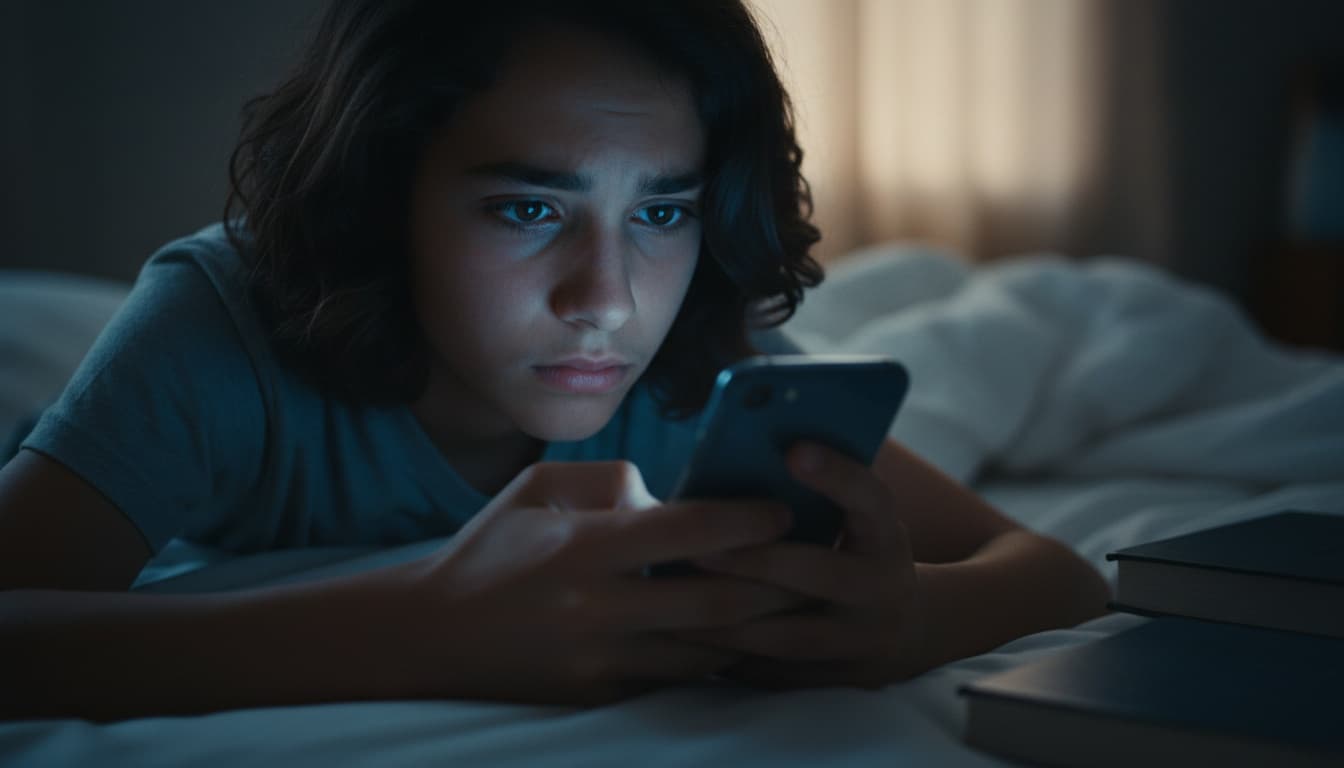
"One more video," "Just 5 more minutes"... And suddenly, 2 hours have passed. TikTok isn't like other social networks. Its algorithm is incredibly effective at capturing our attention. But at what cost to our mental health?
An alarming finding
TikTok users spend an average of 95 minutes per day on the app. Among 16-24 year olds, this rises to 2.5 hours daily.
How the Algorithm Captures Our Brain
The Infinite Scroll Trap
No end = no stopping
Unlike a book or movie, TikTok has no natural endpoint. Your brain never receives the "it's over" signal. Scrolling becomes automatic, a reflex without conscious decision.
The Variable Reward System
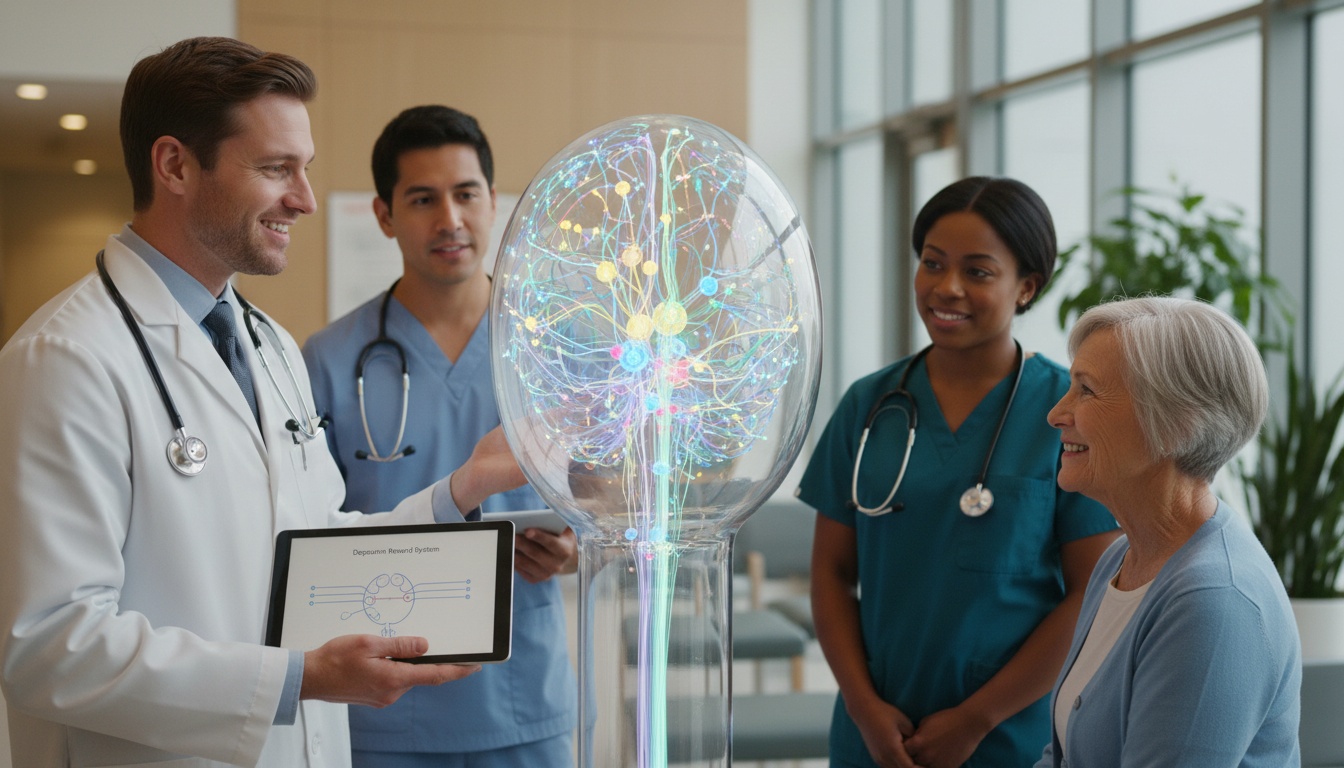
The mechanism is identical to slot machines: you never know if the next video will be amazing or boring. This uncertainty creates a dopamine loop that pushes you to keep going.
The Algorithm That Knows You Too Well
Ultra-fast learning
TikTok analyzes every second: watch time, likes, shares, comments
Extreme personalization
Within hours, the algorithm knows your tastes better than your friends
Filter bubbles
You only see what you like → distorted worldview
Engagement optimization
The goal isn't your well-being but your screen time
Effects on Mental Health
Anxiety and Depression
| Effect | Mechanism |
|---|---|
| FOMO | Fear of missing something if not connected |
| Social comparison | Perfect lives, perfect bodies, easy success |
| External validation | Dependence on likes and comments |
| Rumination | Anxiety-inducing content playing on loop |
Attention Disorders
The Rewired Brain
Repeated exposure to ultra-short content changes our attention capacity:
- Difficulty concentrating for more than a few minutes
- Impatience with long content
- Constant need for stimulation
- "TikTok brain": brain used to instant gratification
Sleep Disorders
The nighttime vicious cycle
- Blue light delays melatonin
- Stimulation prevents the brain from "settling down"
- "One more video" → delayed bedtime
- Tired the next day → more TikTok to "relax"
Effects Specific to Young People
| Population | Particular Risk |
|---|---|
| Preteens | Disrupted identity formation |
| Teen girls | Eating disorders, body image issues |
| Students | Procrastination, academic failure |
| Young adults | Professional comparison, envy |
Warning Signs
Does this apply to you?
- You open TikTok without thinking, by reflex
- You feel bad after scrolling
- You've tried to stop without success
- Your mood depends on the content you see
- You prefer TikTok to real interactions
- You go to bed late because of scrolling
How to Take Back Control
Immediate Actions
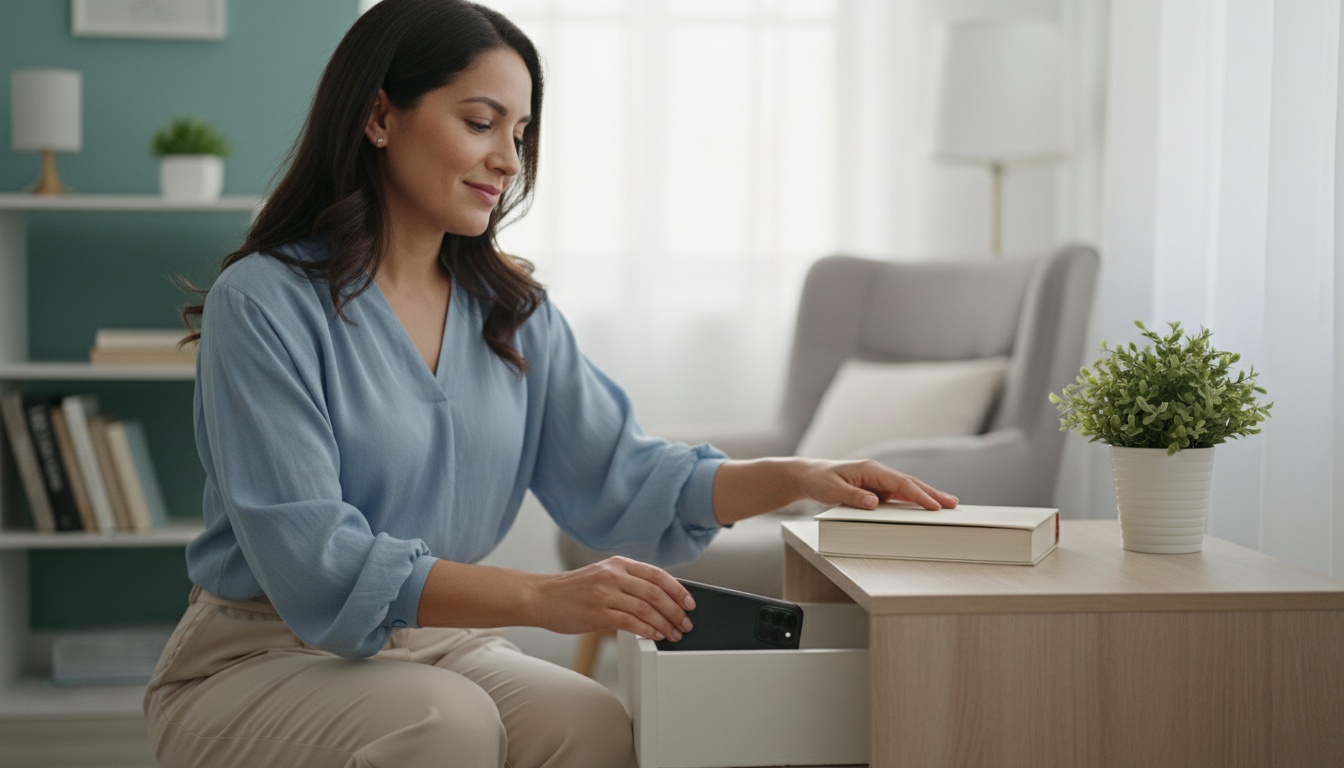
Remove from home screen
Add friction: app in a folder, not in favorites
Enable time limits
Settings → Digital Wellbeing → Daily limit
Disable notifications
Zero notifications = fewer temptations
Night mode
Grayscale after 9 PM: less visually attractive
Long-term Strategies
Digital Hygiene
- Phone-free hours: morning, meals, before bed
- Alternative activities: have a plan B when the urge hits
- Temporary uninstall: delete the app for a few days
- "Detox" account: only follow educational/positive accounts
- Accountability: talk about your usage with someone close
Mindful Usage
| Bad usage | Good usage |
|---|---|
| Scrolling to "pass time" | Searching for specific content |
| TikTok right after waking | Designated time during the day |
| Unlimited passive scrolling | Timer set in advance |
| Consuming alone | Sharing with friends |
When to Seek Help
Talk to a professional if
- You spend more than 4h/day despite your efforts
- Your usage impacts work, studies, or relationships
- You feel anxiety or depression linked to the app
- You have persistent sleep disorders
- You feel unable to stop
Conclusion
TikTok isn't "bad" in itself. It's an incredibly effective tool for entertaining, informing, connecting. But like any powerful tool, it requires mindful use.
""If it's free, you're the product." On TikTok, what's being sold is your attention. And your attention is precious — protect it.
"
The key isn't to demonize TikTok but to understand how it works and take back control of our time and attention. You are stronger than an algorithm.
Prêt à organiser vos données médicales ?
Genki vous aide à centraliser et comprendre tous vos documents de santé, sans cloud, directement sur votre appareil.
Essayer Genki gratuitement