CGM for Non-Diabetics: Should You Wear a Continuous Glucose Monitor?
Levels, Supersapiens, Dexcom... Continuous glucose monitors are trending among biohackers. But are they worth it if you're not diabetic? Here's the data.
Continuous Glucose Monitors (CGMs) were designed for diabetics. Now they're a biohacker staple. But should YOU wear one if your blood sugar is "normal"?
What is a CGM?
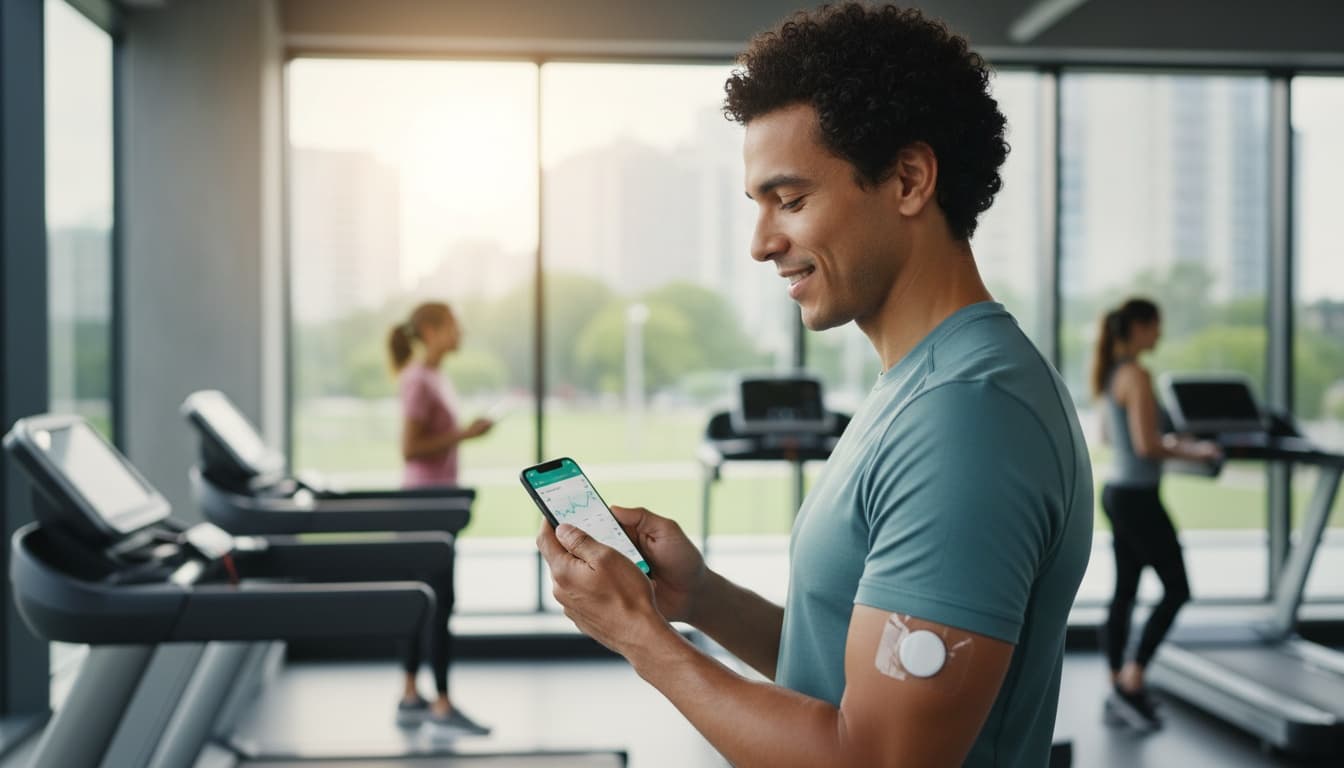
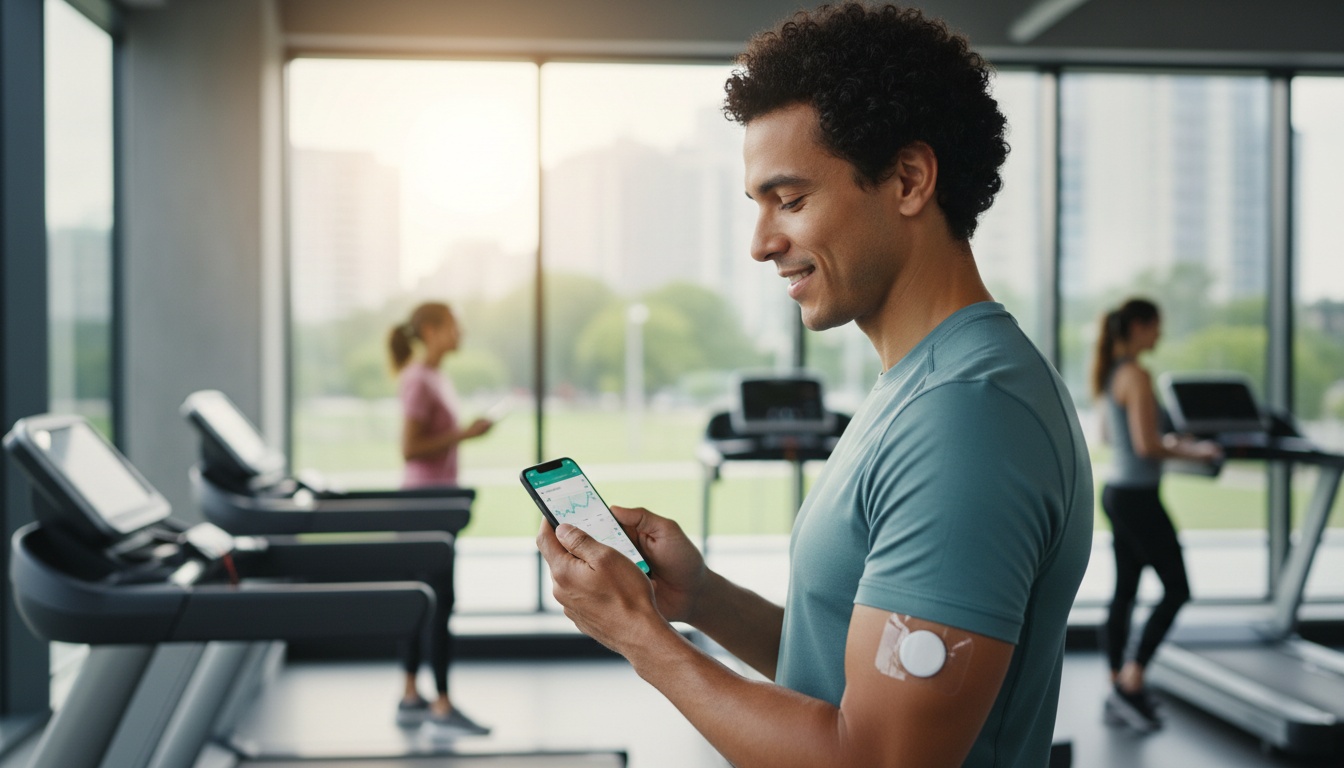
A small sensor (usually on your arm) that measures interstitial glucose every 1-5 minutes, sending data to your phone. You see your glucose in real-time, 24/7.
The Case FOR CGMs in Non-Diabetics
1. Your "Normal" HbA1c Hides a Lot
The Variability Problem
HbA1c is an average. Two people with identical HbA1c of 5.2% could have:
- Person A: Steady glucose, 80-120 mg/dL all day
- Person B: Wild swings, 60-180 mg/dL, averaging to the same number
Person B is metabolically stressed. HbA1c doesn't show this.
2. Personalized Food Response
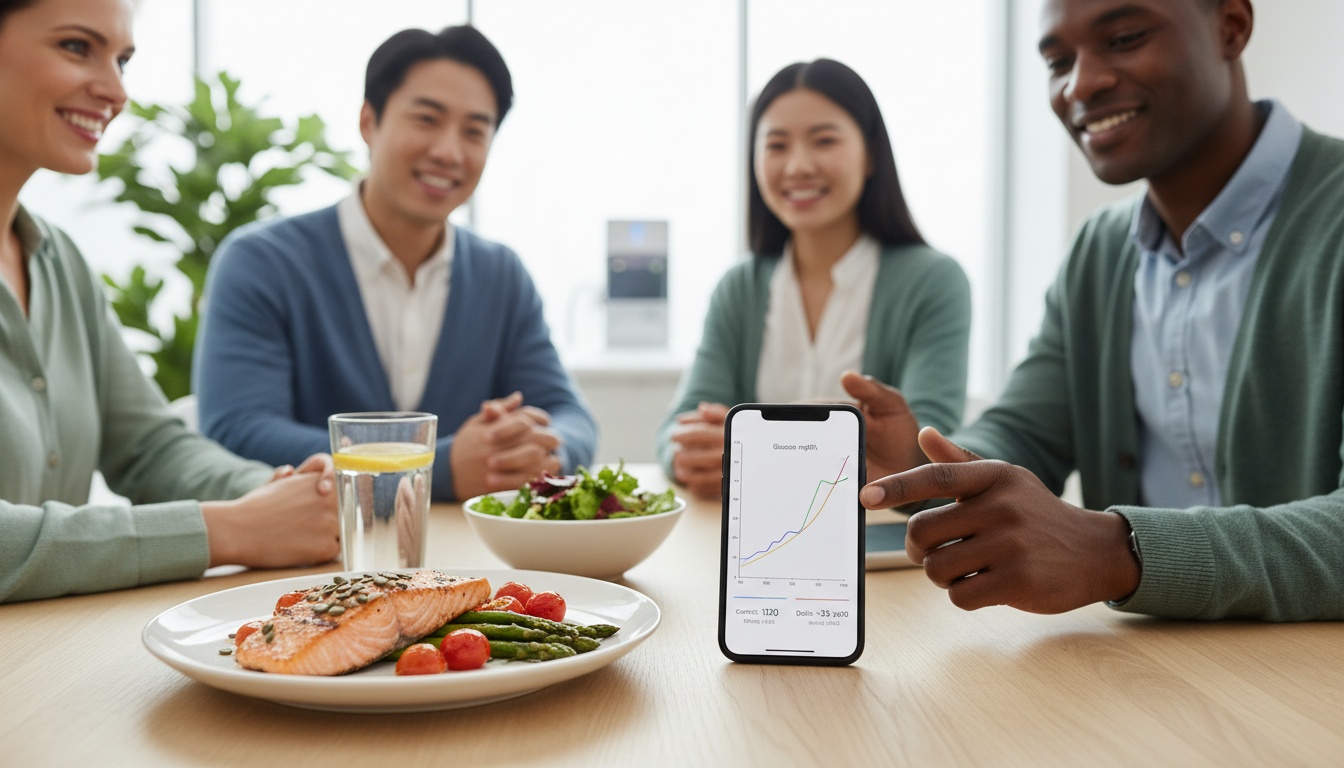
The same food causes wildly different glucose responses in different people. A CGM reveals YOUR unique response to every meal.
Real discoveries people make:
- "White rice spikes me to 180, but sourdough bread barely moves my glucose"
- "A 30-minute walk after dinner cuts my spike in half"
- "Eating protein before carbs flattens my curve"
- "My 'healthy' smoothie is a glucose bomb"
3. Sleep Quality Insights
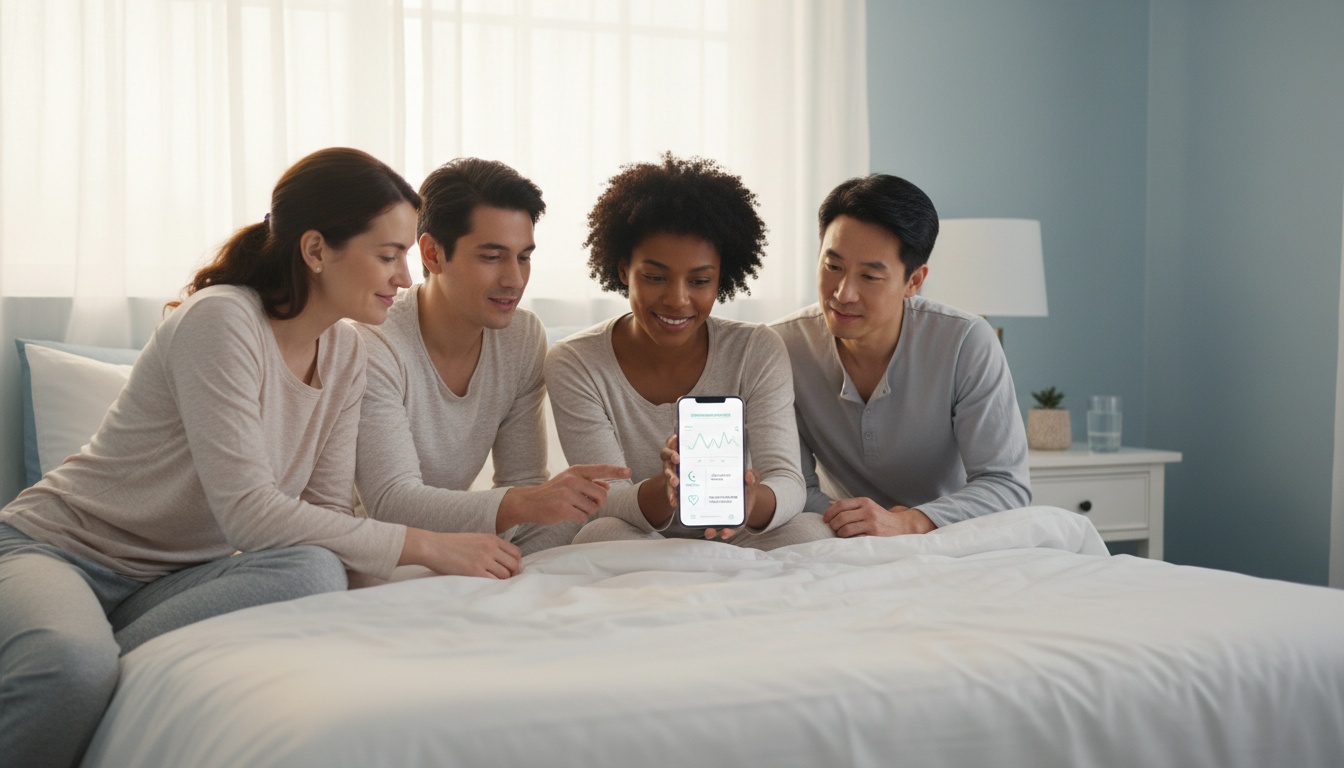
Overnight glucose should be stable
Ideally 70-100 mg/dL with minimal variation
Dawn phenomenon
Natural glucose rise 4-8am from cortisol. Excessive rise may indicate insulin resistance.
Nighttime dips
May indicate reactive hypoglycemia, especially after late high-carb meals.
4. Exercise Optimization
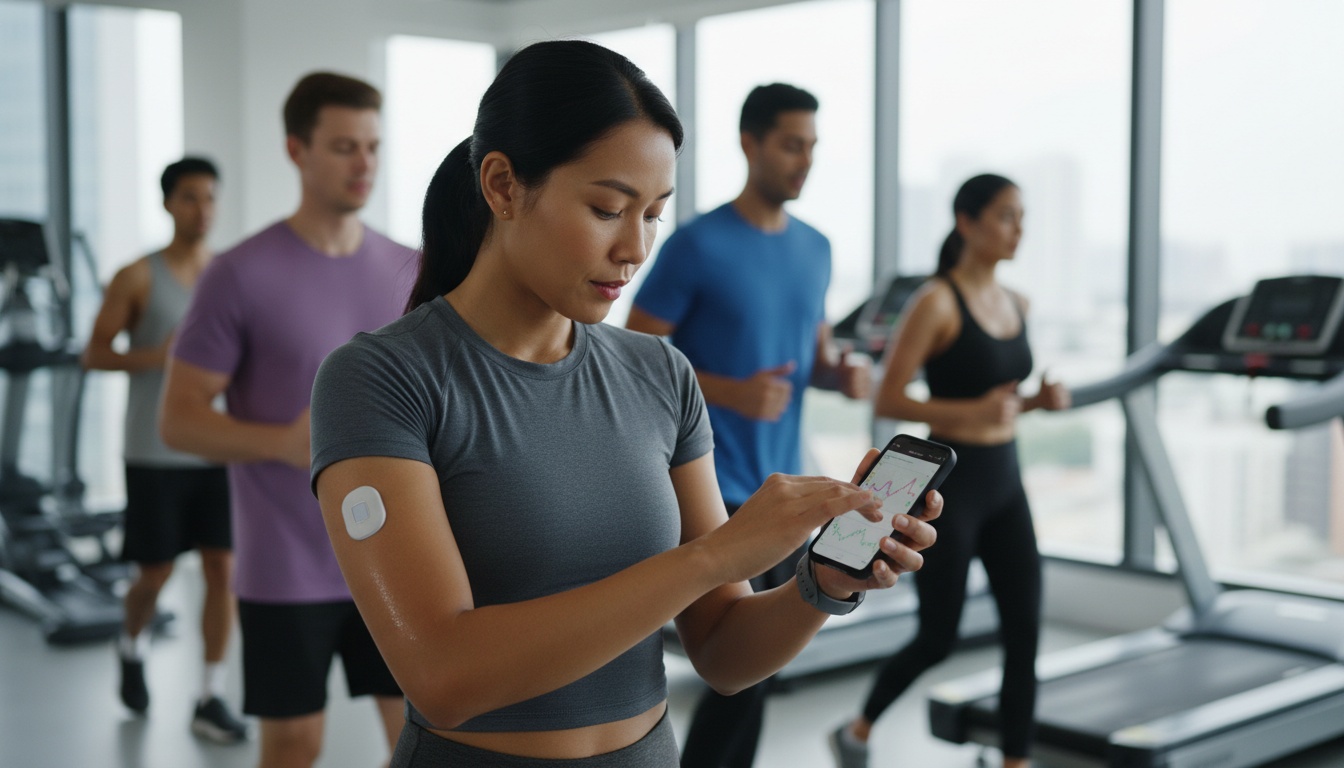
Glucose and Performance
- Pre-workout: Optimal glucose for performance (90-120 mg/dL)
- During: Some rise is normal; excessive rise may indicate stress
- Post-workout: Glucose often drops as muscles uptake it
- Recovery: How quickly you return to baseline indicates metabolic flexibility
The Case AGAINST CGMs for Everyone
1. Cost vs. Value
| Option | Cost/Month | Best For |
|---|---|---|
| Levels | $199 | Biohackers, metabolically curious |
| Dexcom G7 | $300+ (insurance may cover) | Medical use |
| Libre 3 | $150-200 | Budget option |
| Quarterly HbA1c | $20-30 | Most people |
For most metabolically healthy people, quarterly HbA1c + fasting glucose is sufficient.
2. Anxiety and Obsession Risk
The Dark Side
Some users develop anxiety around glucose readings:
- Obsessively checking the app
- Fear of eating "wrong" foods
- Unhealthy restriction patterns
- Stress from normal variations
If you have a history of disordered eating, CGMs may not be appropriate.
3. The Data Can Be Misleading
| What CGM Shows | What It Might Actually Mean |
|---|---|
| Spike after fruit | Normal, healthy response to natural sugars |
| Post-meal rise to 140 | Perfectly normal, not dangerous |
| Different readings day to day | Normal physiological variation |
| Lower readings with keto | Not necessarily "better" — just different |
A glucose spike to 140 mg/dL after a meal is NORMAL. Biohacker culture has pathologized completely healthy glucose responses.
Who Should Actually Use a CGM?
Strong Candidates
Probably Skip It
The Middle Ground: One Month Experiment
The 30-Day Learning Protocol
Instead of ongoing CGM use, try one month to learn your patterns:
Week 1: Eat normally, observe your baseline Week 2: Test specific foods — rice vs. pasta, fruit timing, etc. Week 3: Test interventions — walking after meals, protein first, etc. Week 4: Refine your personalized eating strategy
Then stop wearing it. Apply what you learned.
What "Good" CGM Data Looks Like
Optimal Patterns
| Metric | Target |
|---|---|
| Fasting glucose | 70-90 mg/dL |
| Post-meal peak | < 140 mg/dL |
| Time to baseline | < 2 hours |
| Overnight | Stable 70-100 mg/dL |
| Daily variability | < 30 mg/dL standard deviation |
Red Flags
- Frequent spikes > 160 mg/dL
- Not returning to baseline within 3 hours
- Fasting glucose consistently > 100 mg/dL
- Large dawn phenomenon (> 30 mg/dL rise)
- High variability despite consistent diet
Alternatives to CGM
Quarterly Lab Work
HbA1c, fasting glucose, fasting insulin, HOMA-IR
Post-Meal Glucose Testing
Cheap glucometer, test 1 hour after specific meals
Oral Glucose Tolerance Test
One-time test showing how you handle glucose
Fasting Insulin
Often more predictive than glucose alone
Using Genki with CGM Data
Integrate Your Glucose Data
With Genki, you can:
- Import CGM data alongside your lab work
- Correlate glucose patterns with other biomarkers
- Track the impact of lifestyle changes over time
- Store everything locally and privately
The Verdict
"CGMs are a powerful tool — for the right person, at the right time. They're not necessary for everyone, and they're not the path to immortality that some biohackers suggest.
Use them to LEARN, not to obsess. Then apply what you learned and move on.
"
The best CGM strategy: One month to learn your patterns, occasional check-ins if prediabetic, or skip entirely if you're metabolically healthy and can't afford the cost and cognitive load.
Prêt à organiser vos données médicales ?
Genki vous aide à centraliser et comprendre tous vos documents de santé, sans cloud, directement sur votre appareil.
Essayer Genki gratuitement